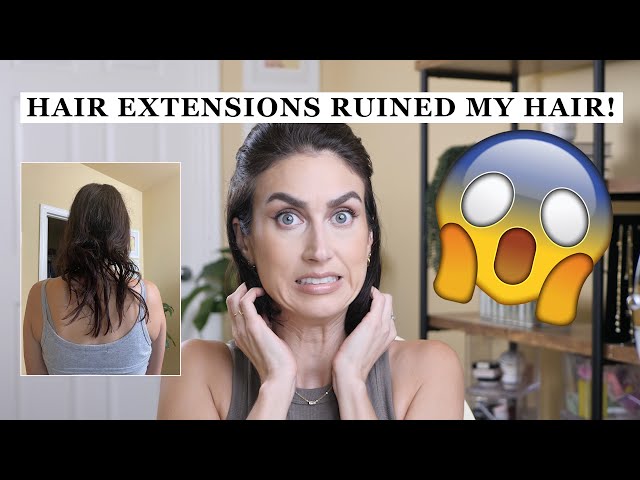
Hair after extensions removed refers to the natural hair left behind after artificial hair extensions have been detached. It is commonly seen after the use of clip-in, tape-in, or bonded hair extensions.
Understanding hair after extensions removed is essential for hair health and recovery. This unique state of hair can be weaker and more prone to breakage. However, with proper care and attention, it can regain its health and natural beauty. Historically, hair extensions have been used for centuries, with ancient Egyptians and Romans employing various methods to enhance their appearance.
In this article, we will delve into the specific characteristics, maintenance, and recovery process of hair after extensions removed, empowering you with the knowledge to restore your hair's vitality and shine.
hair after extensions removed
Understanding the essential aspects of hair after extensions removed is crucial for maintaining healthy and beautiful hair. These aspects encompass its condition, care routine, recovery process, and potential challenges.
- Condition: Hair after extensions removed can be weak, damaged, and prone to breakage.
- Care routine: Proper care, including gentle washing, conditioning, and detangling, is essential for recovery.
- Recovery process: Hair typically takes several months to fully recover its strength and health.
- Challenges: Common challenges include dryness, split ends, and hair loss.
By addressing these aspects, you can effectively restore the health of your hair after extensions removed. This may involve using nourishing hair products, adopting a gentle hair care routine, and seeking professional advice if needed. Remember that patience and consistency are key to achieving optimal hair health.
Condition
Understanding the condition of hair after extensions removed is key to its recovery. This condition can manifest in several ways, each requiring specific care and attention.
-
Structural damage:
Extensions can cause physical damage to the hair shaft, leading to weak points and increased susceptibility to breakage. -
Chemical damage:
Chemical processes involved in extension application, such as bleaching or coloring, can compromise hair's integrity, making it more fragile. -
Nutritional deficiencies:
Extensions can restrict hair's access to essential nutrients, leading to dryness, brittleness, and increased breakage. -
Scalp irritation:
Extensions can cause scalp irritation or inflammation, which can weaken hair follicles and hinder healthy hair growth.
Addressing these aspects of hair condition is crucial for effective recovery. By providing proper care, nourishment, and professional treatment if necessary, you can restore the strength and vitality of your hair.
Care routine
After removing hair extensions, implementing a proper care routine is crucial to restore hair health. Extensions can weaken hair, making it more susceptible to breakage, dryness, and damage. Gentle washing, conditioning, and detangling are essential components of this care routine, helping to repair and strengthen hair.
For instance, using sulfate-free shampoos and avoiding harsh brushing can minimize further damage to the hair shaft. Deep conditioning treatments can replenish moisture and nutrients, improving hair's elasticity and reducing breakage. Regular detangling with a wide-tooth comb helps prevent tangles and knots, which can cause additional stress on the hair.
Understanding the connection between care routine and hair after extensions removed empowers you to take proactive steps towards recovery. By adopting gentle hair care practices, you can promote hair growth, restore its health, and prevent further damage.
Recovery process
The recovery process for hair after extensions removed is a crucial aspect that cannot be overlooked. Extensions can put stress on hair follicles, leading to breakage, thinning, and damage. Once extensions are removed, the hair needs time to heal and regain its natural strength and vitality.
The recovery process involves several important stages. Initially, the hair may experience a period of shedding as it adjusts to its natural growth cycle. This shedding typically subsides within a few weeks. With proper care, the hair will gradually begin to grow stronger and thicker. However, it is important to be patient, as full recovery can take several months.
Understanding the recovery process is essential for managing expectations and providing the necessary care for hair after extensions removed. By adopting a gentle hair care routine, avoiding harsh treatments, and providing adequate nourishment, you can support the recovery process and promote healthy hair growth.
Challenges
After removing hair extensions, it is common to experience challenges such as dryness, split ends, and hair loss. These challenges are directly related to the effects of extension application and removal on the hair's health.
Extensions can weigh down the hair, causing tension and stress on the hair follicles. This tension can lead to breakage, resulting in split ends and hair loss. Additionally, the chemicals used in extension application, such as glue or tape, can damage the hair shaft, making it more prone to dryness and breakage.
Understanding the connection between these challenges and hair after extensions removed is crucial for developing effective hair care strategies. By addressing dryness, split ends, and hair loss through proper care and treatment, individuals can promote hair growth and restore its health.
Frequently Asked Questions about Hair After Extensions Removed
The following FAQs address some of the common concerns and questions regarding hair after extensions are removed. These questions aim to clarify the recovery process, potential challenges, and effective care practices.
Question 1: How long does it take for hair to recover after extensions are removed?
The recovery period can vary depending on the individual's hair condition and the type of extensions used. Generally, it takes several months for hair to regain its full strength and health.
Question 2: Is it normal to experience hair loss after removing extensions?
Temporary hair loss or shedding is common after removing extensions, especially if they were applied using methods that put tension on the hair follicles. This shedding typically subsides within a few weeks as the hair adjusts to its natural growth cycle.
Question 3: How can I prevent damage to my hair after removing extensions?
Gentle hair care practices are crucial to prevent further damage. Use sulfate-free shampoos, avoid harsh brushing, and regularly apply deep conditioning treatments to restore moisture and nutrients.
Question 4: What are the signs of damaged hair after extensions?
Common signs of damaged hair include dryness, split ends, breakage, and hair loss. If you notice these signs, it is important to adjust your hair care routine and seek professional advice if necessary.
Question 5: Can I dye my hair after removing extensions?
It is generally advisable to wait a few weeks before dyeing your hair after removing extensions, as the hair may be more vulnerable to chemical damage. Consult with a hair professional to determine the best time to color your hair.
Question 6: How often should I wash my hair after removing extensions?
The frequency of washing depends on your hair type and condition. It is generally recommended to wash your hair 2-3 times per week, using lukewarm water and a gentle shampoo.
These FAQs provide essential information for individuals seeking to understand and care for their hair after removing extensions. By addressing common concerns and offering practical advice, we aim to empower readers to make informed decisions and achieve healthy, beautiful hair.
The next section will delve deeper into the topic of hair care after extensions are removed, discussing specific treatments and strategies for promoting hair growth and restoring its vitality.
Tips for Healthy Hair After Extensions
After removing hair extensions, proper care is essential to restore hair's health and prevent further damage. Here are some practical tips to follow:
Tip 1: Use gentle hair care products. Opt for sulfate-free shampoos and conditioners that cleanse without stripping hair of its natural oils.
Tip 2: Avoid harsh brushing. Use a wide-tooth comb or detangling brush to remove knots and tangles without causing breakage.
Tip 3: Deep condition regularly. Apply deep conditioning treatments once or twice a week to replenish moisture and nutrients, improving hair's elasticity and reducing breakage.
Tip 4: Protect hair from heat. Limit the use of hot styling tools and always apply a heat protectant spray before using them.
Tip 5: Trim split ends. Regular trims help remove damaged ends, preventing further splitting and breakage.
Tip 6: Avoid tight hairstyles. Tight ponytails, braids, or buns can put tension on hair follicles, leading to breakage.
Tip 7: Eat a healthy diet. A balanced diet rich in vitamins, minerals, and protein supports healthy hair growth and overall hair health.
Tip 8: Consider professional treatments. If hair is severely damaged, consult a hair professional for treatments like keratin or Olaplex to repair and strengthen hair.
By following these tips, you can effectively care for your hair after removing extensions, promoting hair growth and restoring its health. Remember, patience and consistency are key to achieving optimal hair recovery.
In addition to these tips, seeking advice from a hair professional can provide personalized guidance based on your specific hair type and condition. This comprehensive approach will empower you to make informed decisions and achieve your hair care goals.
Conclusion
In summary, understanding "hair after extensions removed" is crucial for restoring hair health. Extensions can leave hair weak, damaged, and prone to breakage, requiring specific care. This involves gentle washing, conditioning, and detangling, addressing dryness, split ends, and hair loss, and adopting protective measures like avoiding tight hairstyles and heat damage.
Remember, hair recovery is a gradual process that requires patience and consistency. By following the tips outlined in this article, you can effectively care for your hair after extensions, promoting growth and restoring its vitality. Consult with a hair professional for personalized advice and consider professional treatments if necessary. Empower yourself with knowledge and take proactive steps towards achieving healthy, beautiful hair.


No comments:
Post a Comment